Most Suffolk villages have one building that quietly does more work than any other. The village hall is the polling station on a Thursday, the toddler group on a Tuesday morning, the badminton court, the quiz night, the wake, the wedding reception and sometimes the pop-up post office. There are hundreds of them across the county, and almost every one is run by volunteers who book out the space to keep the lights on. Hiring one is rarely difficult, but the details are where people come unstuck: the wrong start time, a kitchen nobody explained, a deposit that never comes back because the floor wasn't swept. Here's what to expect.
What you actually get inside a Suffolk village hall
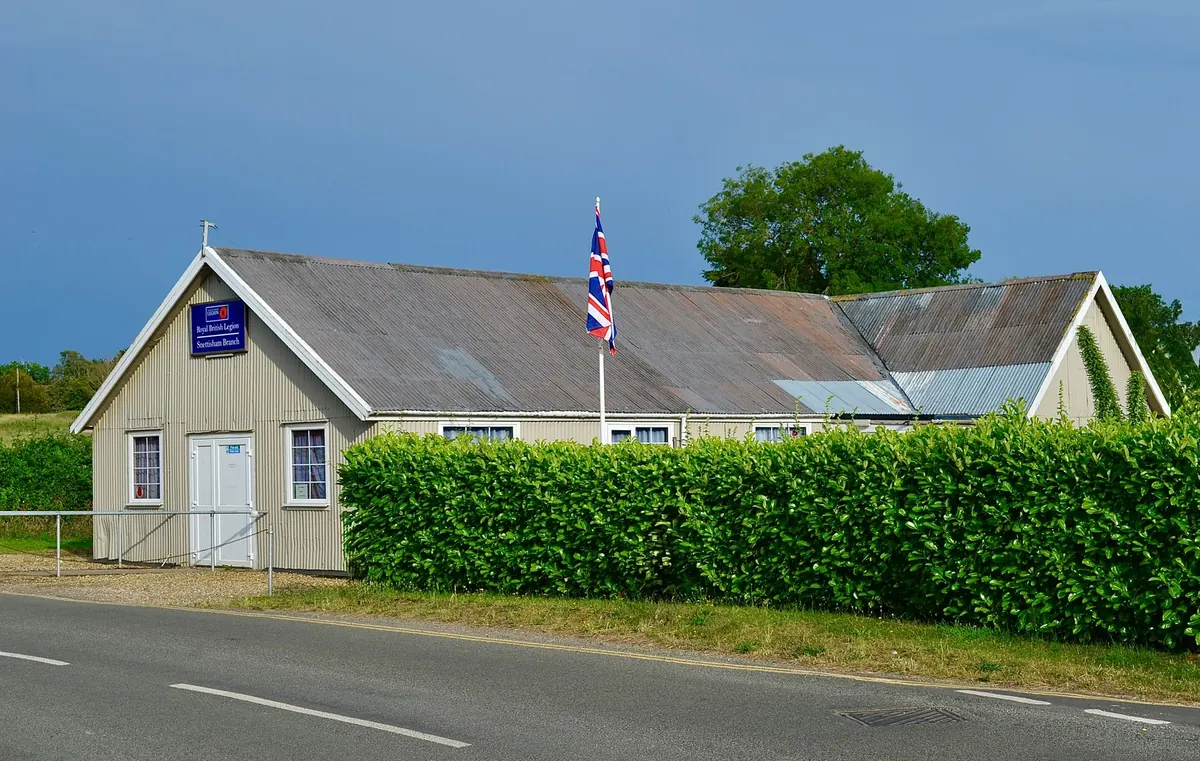
The range is wider than most people assume. You might walk into a converted Victorian schoolroom with high windows and a polished floor, a 1970s memorial hall with a stage and badminton lines painted on the boards, or a recent timber-framed building with underfloor heating and a kitchen that would not look out of place in a small café. Sizes run from rooms that seat thirty to halls that take two hundred standing.
What most of them have in common is a fairly predictable kit:
- A main hall, usually with a stack of folding tables and chairs stored along one wall
- A kitchen, often behind a serving hatch, with an urn, a kettle, a fridge and a cooker
- Toilets, sometimes including an accessible cubicle and baby changing facilities — and sometimes not
- A small meeting room or committee room in larger halls
- Parking, ranging from a tidy tarmac car park to a strip of grass beside the church
- Outside space: a field, a playground, a patio or a patch of gravel
A surprising number also have a stage with curtains and basic lighting, a hearing loop, a defibrillator mounted by the door, and a piano that nobody has tuned since the Queen's Jubilee. None of that is guaranteed, so ask.
Kitchens, sound systems and the details people forget
The kitchen
Assume domestic rather than commercial. A village hall kitchen is usually fine for tea and coffee for eighty people, a buffet, a birthday cake, a bring-and-share supper or a scout group cooking session. It is often not set up for a caterer plating three courses for a hundred and fifty. If you are bringing in professional caterers, tell the hall early: they may need to check power supply, water access and whether the caterer's insurance satisfies them.
Crockery is hit and miss. Some halls have cupboards full of mismatched mugs and side plates; others have cleared theirs out and expect hirers to bring everything. Take your own tea towels and washing-up liquid regardless.
Sound, screen and signal
Wi-Fi exists in more halls than it used to, but it is often a domestic connection shared with the parish office, and it can be slow when thirty people join at once. Mobile signal in some Suffolk villages is patchy enough that you should not plan to take card payments or stream anything without checking first. If you need a projector, a PA or a microphone, ask what is available and whether there is a charge — and test it before the day, not ten minutes before your guests arrive.
How hire costs usually work
Village halls are almost always run as charities or by the parish council, which means rates are set to cover running costs rather than make a profit. That is why they remain good value. It also means the person answering your email is a volunteer with a day job, so patience helps.
Pricing tends to follow a few patterns:
- Hourly, with a minimum booking of two or three hours
- By session — morning, afternoon or evening — which often works out cheaper than hourly
- Full day or whole weekend rates for parties and weddings
- Resident and non-resident rates, with people from the parish paying less
- Discounted community rates for local clubs, registered charities and children's groups
On top of the hire fee there is usually a refundable deposit against damage or extra cleaning, and often a separate charge for heating in winter, use of the cooker, or a caretaker who locks up after a late finish. Some halls include everything; some itemise. Ask for the current rate card in writing rather than relying on a figure someone mentioned at the school gate — rates are reviewed and vary enormously between villages only a few miles apart.
What pushes a booking into a higher band
Weddings and large parties, anything selling alcohol, commercial use such as a fitness class or a pop-up shop, whole-weekend hire, late finishes, and bookings that need the stage, the sound system or the kitchen for serious cooking. If your event involves bouncy castles, fairground rides or external caterers, expect the committee to ask about insurance before they say yes.
Booking a hall, step by step
- Work out your real timings first. Add an hour before for setting up and an hour after for clearing away, and check whether the hall charges for both.
- Find halls in the area. Parish council websites, village Facebook groups, the noticeboard by the postbox and the church magazine are all better sources than a general search.
- Visit in person, at the time of day you'll be using it. A hall that feels bright and roomy at 11am can feel gloomy and small at 7pm in November.
- Read the booking terms before you pay. Look for the cancellation policy, the cleaning expectations and the finish time.
- Confirm in writing. Get the date, times, rooms, fee, deposit and a contact number for the day itself in an email you can find again.
- Arrange a key handover or a recce a week beforehand. Learn the alarm, the heating controls and where the bins live.
Questions to ask before you reserve
- What time can we get in, and what time must we be out — including clearing up?
- Is cleaning included, or do we leave it as we found it?
- How many tables and chairs are there, and are they included in the price?
- Is the kitchen included, and is there a charge for the cooker or urn?
- Is heating and lighting in the fee, or metered separately?
- How much is the deposit, and when is it returned?
- Is there step-free access and an accessible toilet?
- What are the rules on music, alcohol, candles and decorations?
- Do we need our own public liability insurance?
- Who do we call if something goes wrong on the day?
- Where can guests park, and can cars be left overnight?
- Can we get in the day before to decorate, and at what cost?
If your event involves selling alcohol, playing recorded or live music, or showing films, there may be licensing requirements. Village halls often hold some licences themselves and not others, and a temporary event notice is arranged through the local council. Check with the hall first, and if you are unsure, take proper advice rather than assuming it will be fine.
Making the booking work on the day
Pack a box the night before: tea towels, bin bags, an extension lead, scissors, tape, a sharp knife, cloths and a spare washing-up sponge. Take a note of the caretaker's number. Arrive at the time you agreed rather than twenty minutes early, and treat the finish time as real — volunteers who open up for you at eight in the morning have usually been up since six.
Before you lock up, sweep the floor, wipe the surfaces, put the tables back where you found them and take your rubbish home if the hall asks you to. Leave the heating as you found it and check you have not left a window open. The committee will notice, and the next time you want the hall for a christening, a wake or a eightieth birthday, the answer will come back quickly.
Photo: Neville Hawkins / Pexels