Ask anyone who has lived here a while and they will tell you that Suffolk does not really have four seasons so much as a dozen small ones, each with its own rituals. The county's year is marked by agricultural shows and food festivals, church flower displays and cold swims, harvest suppers and lantern parades. What follows is how it unfolds, month by month, with the practical notes that make the difference between a good day out and a wasted one.
January and February: The Quiet Months
The first weeks of the year belong to walkers and planners. Beaches at Southwold, Walberswick and Dunwich are empty, the light is low and long, and the birdwatching at Minsmere and along the Blyth estuary is at its best. It is also the cheapest time to book a summer cottage, because owners release many of their remaining peak weeks now. A January enquiry often gets a warmer response than one made in May.
Two cautions. Coastal paths and car parks can flood or close after high tides and easterly gales, so check before setting out. And plenty of village pubs and cafés shut for a week after New Year. If you are driving an hour for lunch, ring ahead.
March and April: Spring Arrives
Spring comes in quietly: lambs in the fields, hedgerows filling out, and by late April the bluebells. The woods at Ickworth near Bury St Edmunds and the lanes around Long Melford are dependable places to see them. Easter usually falls somewhere in this window, which means egg trails at the larger estates, sunrise services, and hot cross buns from village bakeries. Villages hold their plant sales and spring clear-ups, and Newmarket's Flat season gets under way.
Footpaths stay muddy well into April, and the weather turns over several times a day. Boots and layers, every time.
May and June: Shows, Festivals and Suffolk Day
The calendar fills up quickly now. The Suffolk Show, held at Trinity Park on the edge of Ipswich in late May or early June, is the county's big agricultural gathering — livestock, heavy horses, local food, and a great deal of standing about in a field. Buy tickets in advance, arrive near opening time, and use the park-and-ride rather than hunting for a space near the gate.
Suffolk Day, 21 June
A newer tradition, marked with flag-raisings, school projects and small community events in towns and villages. It falls close to the solstice, so it pairs well with a long evening walk.
Music at Snape
The Aldeburgh Festival in June fills Snape Maltings and churches along the coast with concerts, talks and exhibitions. Book early; the most sought-after events go months ahead. Snape repays a whole day anyway — gallery, shops, and the walk along the Alde towards Iken. Suffolk Open Studios also runs around this time, when artists open their workshops to visitors and you can buy directly from the person who made the thing.
July and August: High Summer on the Coast
July brings the big music festival at Henham Park near Southwold. If you are not going, the surrounding lanes are best avoided on the busiest days. Otherwise the coast is the main event: Southwold's pier and beach huts, crabbing at Walberswick, the fish shacks at Aldeburgh, and the shingle and skies at Orford Ness. Sailing clubs on the Deben, Orwell and Alde hold regattas and rowing races, and August weekends fill with village carnivals and fetes.
Park early or use the coastal bus services, book restaurants in Southwold and Aldeburgh well in advance, and carry coins and small notes for car parks and stalls.
September and October: Food, Harvest and Fireworks
September is the food month. The Aldeburgh Food and Drink Festival at Snape Maltings gathers producers from across the county, and it works well combined with a walk along the Sailors' Path. Harvest then takes over: services, suppers in village halls, apple days at orchards and community presses that will turn your garden glut into juice.
October brings mists, proper autumn colour in the woods around Bury and along the Stour valley, and half-term events at Framlingham and Orford castles and at Sutton Hoo. Bonfire night is the set piece. Village displays are friendlier and easier to leave than the large town ones, and the sausages are just as good.
November and December: Markets, Lights and Cold-Water Swims
Late November means the Christmas market in Bury St Edmunds and lights switch-ons in towns such as Woodbridge, Lavenham, Beccles and Halesworth. Church Christmas fairs are often where the best locally made gifts turn up, along with the cake stall that funds next year's roof repairs.
Then the swims. On Christmas Day and Boxing Day, hardy groups take to the sea at Southwold, Aldeburgh and Felixstowe. Watching is free and pleasantly absurd; joining is another matter. If you do go in, go with others, never alone, tell someone where you are, check the tide and the temperature, and speak to the organisers first if you are unsure. Winter sea swimming here is genuinely not something to improvise.
How to Plan Your Year
Dates move. Easter shifts, half-terms shift, and one-off events come and go, so always check the organiser's own listing rather than a national what's-on page.
- Book July and August accommodation by March if you want the coast.
- Buy show and festival tickets the week they go on sale, not the week you fancy going.
- Keep an eye on parish magazines and town council noticeboards — they carry the things no listings site bothers with.
- Build a day around two stops, not five. Suffolk roads are slow and car parks are small.
- Carry cash for parking, stalls and church teas.
- Check tide times and footpath closures before any coastal walk.
- Support the small stuff — the raffle, the cake stall, the village hall quiz. It is the reason the calendar still exists.
None of it is complicated. Pick a month, see what is on, and go.
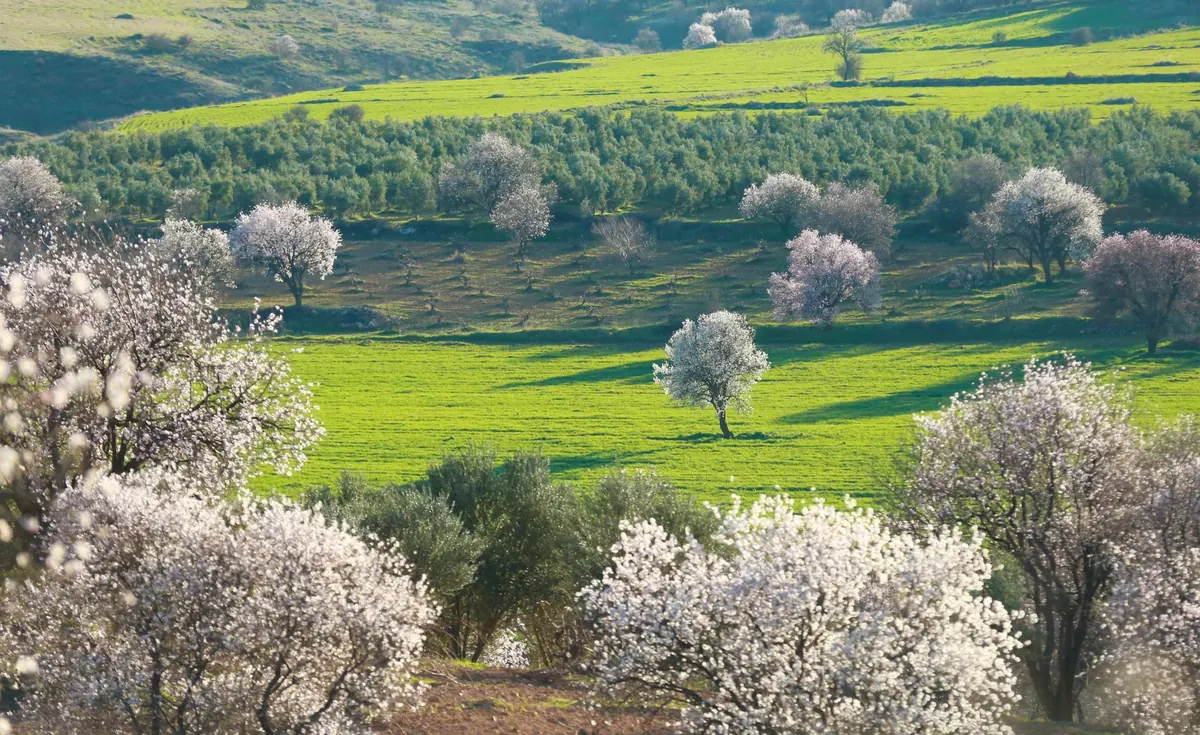
Photo: Vehap Erdoğan / Pexels